Top 7 Alternatives of ATCOM Business Technology
Many Charlotte companies still pay for ATCOM Business Technology but receive slower response times than their contracts promise. Rising ticket volumes and security gaps now push decision makers to review other local vendors.
By the end of this article you will know the seven most common criteria teams use to replace an MSP, see a ranked list of providers that meet those criteria, and learn why Charlotte IT Solutions earned the top spot for managed IT services and 24/7 support.
What to Look For in ATCOM Business Technology Alternatives
Evaluating ATCOM business technology replacements requires focusing on seven measurable criteria that directly impact uptime and monthly costs.
Each criterion affects different aspects of daily operations. Some companies prioritize network reliability while others focus on integration capabilities.
- Uptime SLA percentages backed by credit policies
- Native mobile app ratings on iOS and Android stores
- Hardware refresh cycles and cost per handset
- API-first architecture for CRM connectors
- Onshore versus offshore support tiers and average answer speeds
- Contract flexibility including month-to-month versus 36-month options
- Transparent per-minute and per-seat pricing calculators
These factors help businesses compare VoIP systems, IP PBX solutions, and unified communications platforms. Companies evaluating cloud telephony alternatives often discover that uptime guarantees vary significantly between providers.
Mobile application quality determines whether employees can handle calls effectively from smartphones. Users expect consistent performance across different devices and operating systems.
Hardware refresh cycles affect long-term ownership costs for desk phones and conference equipment. Some providers bundle handset replacements while others require separate purchases every few years.
API connectivity determines how well telephony systems work together with existing CRM platforms. Teams that rely on customer data during calls need seamless information flow between systems.
Support response times matter when technical issues disrupt business communications. Companies should verify whether providers offer domestic or international support teams during business hours.
Contract terms influence cash flow and technology flexibility over time. Some organizations prefer shorter commitments while others accept longer agreements for reduced monthly rates.
Pricing transparency allows accurate budget forecasting for call volumes and user counts. Hidden fees can significantly impact total monthly expenses for growing businesses.
1. Charlotte IT Solutions - Best Overall
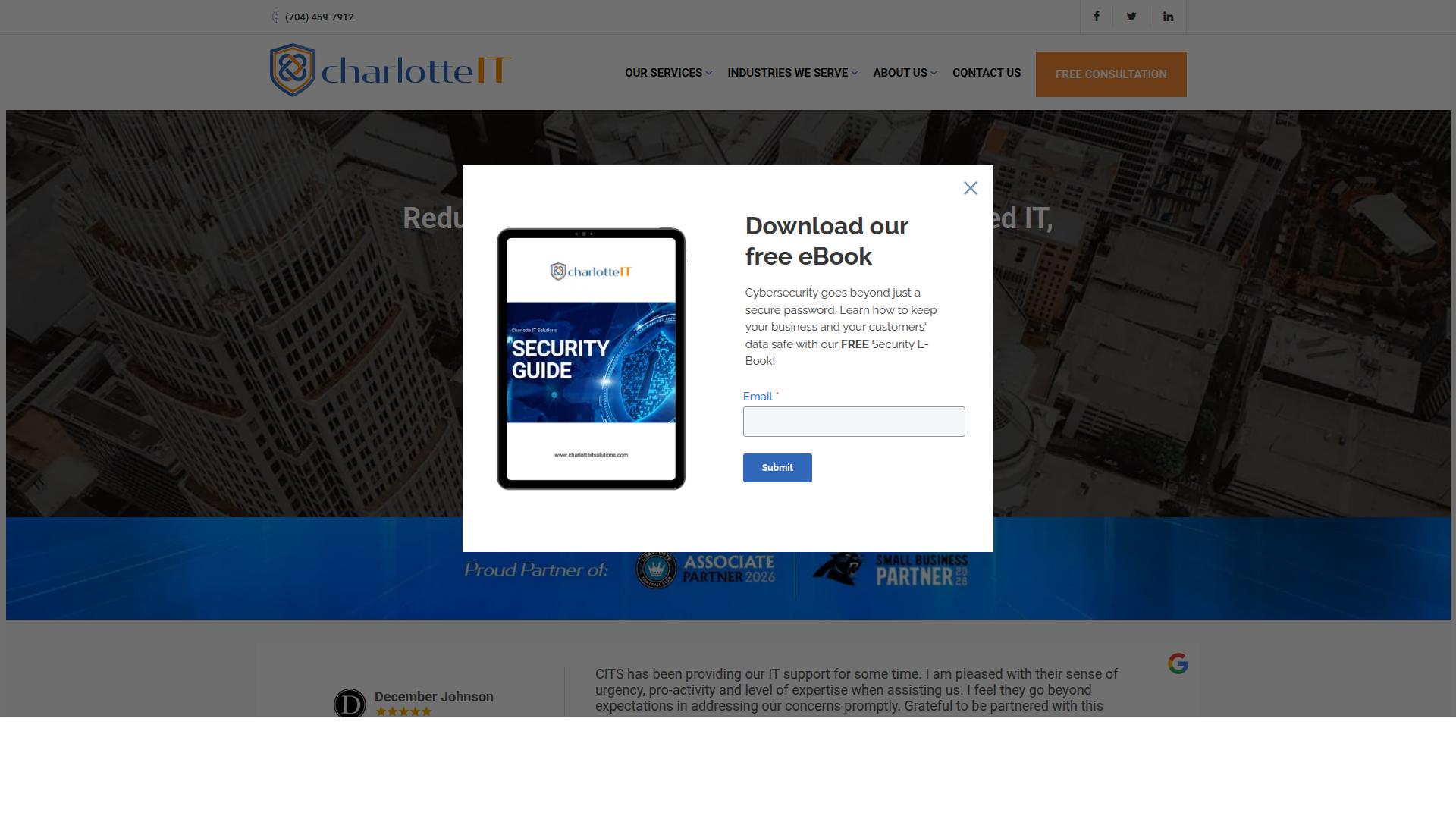
Charlotte IT Solutions earns the top spot by coupling local managed IT services with enterprise-grade VoIP and security in a single SLA. The firm serves businesses that need reliable telephony, network monitoring, and endpoint protection under one agreement.
Client organizations receive a unified dashboard that shows network performance, call quality metrics, and security alerts side by side. This approach removes the need to juggle multiple vendors for IP PBX, SIP trunking, and cybersecurity concerns.
Local roots in the Carolinas mean technicians can reach client sites quickly while still offering remote support for cloud telephony and virtual desktop issues. The 25-year track record shows consistent service across Charlotte, Concord, Huntersville, and surrounding areas.
Managed IT Services in Charlotte NC
The firm's managed IT tier supplies proactive patch management and monthly technology roadmap reviews for Charlotte-area clients. These reviews include VoIP traffic analytics and capacity planning to keep call quality high as staff numbers grow.
Support follows a clear cadence. Daily remote monitoring catches issues before they affect users, while on-site visits handle hardware installs, network cabling, and phone system moves. Severity-1 tickets receive a 15-minute response commitment.
Quarterly business reviews bring together IT staff and leadership to review uptime numbers, call analytics, and upcoming needs. The process keeps telephony, security, and infrastructure aligned with actual business goals.
24/7 IT Support and Cybersecurity Services
Round-the-clock monitoring pairs with multi-layered defenses that include endpoint detection, email filtering, and 24-hour ransomware rollback capabilities. Charlotte IT Solutions maintains SOC coverage so threats are addressed at any hour.
Mean-time-to-respond targets stay under 15 minutes for critical alerts. The three-step incident response workflow covers detection, containment, and recovery for both telephony systems and workstation threats.
Clients benefit from ransomware protection, email security services, and endpoint security management delivered as part of the same managed service agreement. This reduces the complexity that often comes with mixing an on-premise PBX, cloud telephony, and separate security tools.
2. Complete Network
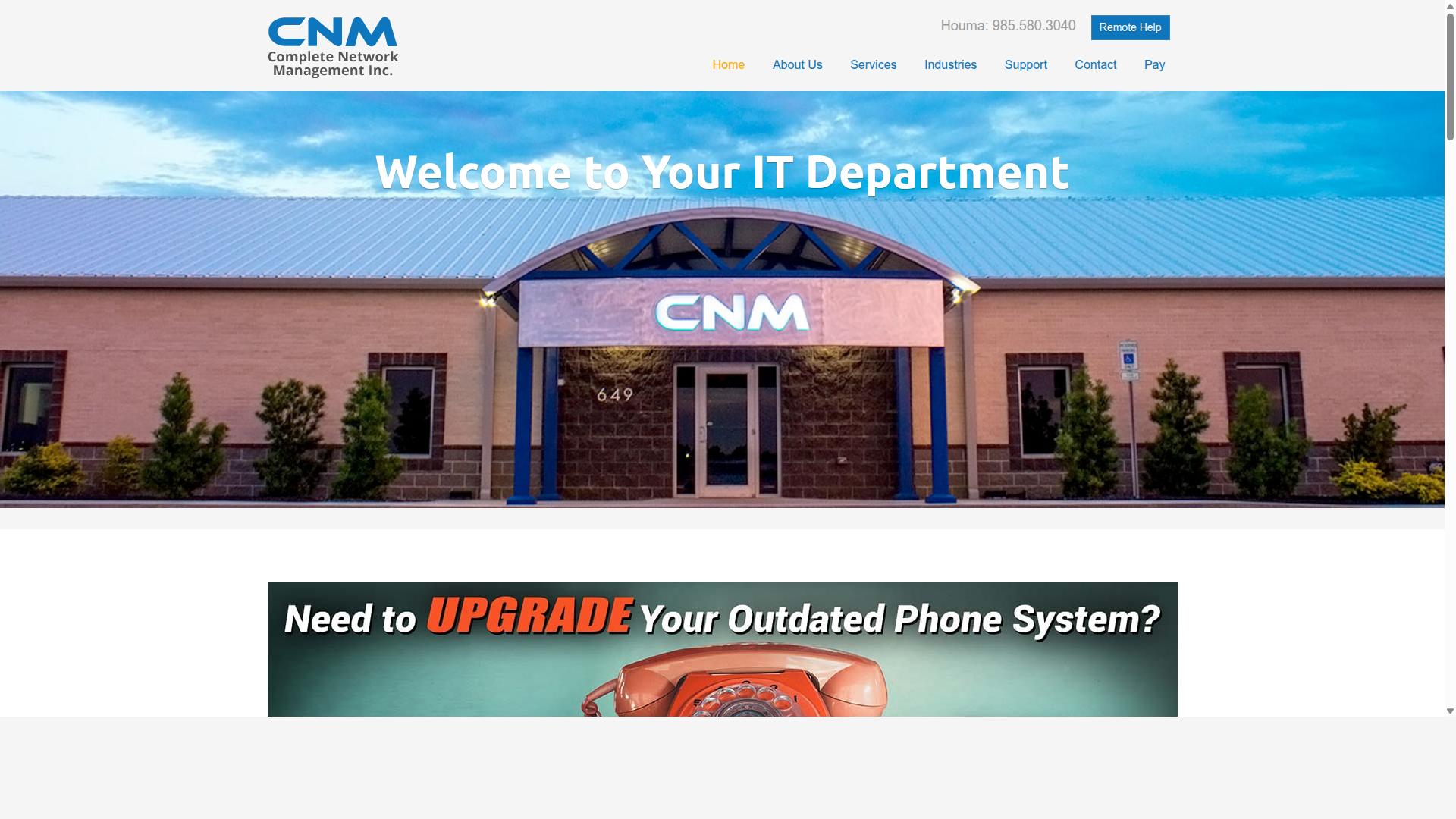
Complete Network positions itself as a regional carrier-grade VoIP provider serving mid-market firms in the Carolinas. The company offers three fixed-price packages presented as monthly rates. These packages include Service Assist at $10, Business Core at $100, and Business Premier at $150.
The firm focuses on IT managed services, cloud consulting, cybersecurity, and IT strategy consulting. No hosted PBX tiers, per-minute SIP trunk pricing, or standard SLA details appear in publicly available information. Contract terms and support hours are listed on their site only.
Clients include a guitar retailer and a distribution company. The provider receives recognition for responsive support, effective communication, and tailored solutions. This positioning makes Complete Network a regional option for businesses evaluating alternatives to ATCOM.
3. Refresh Technologies
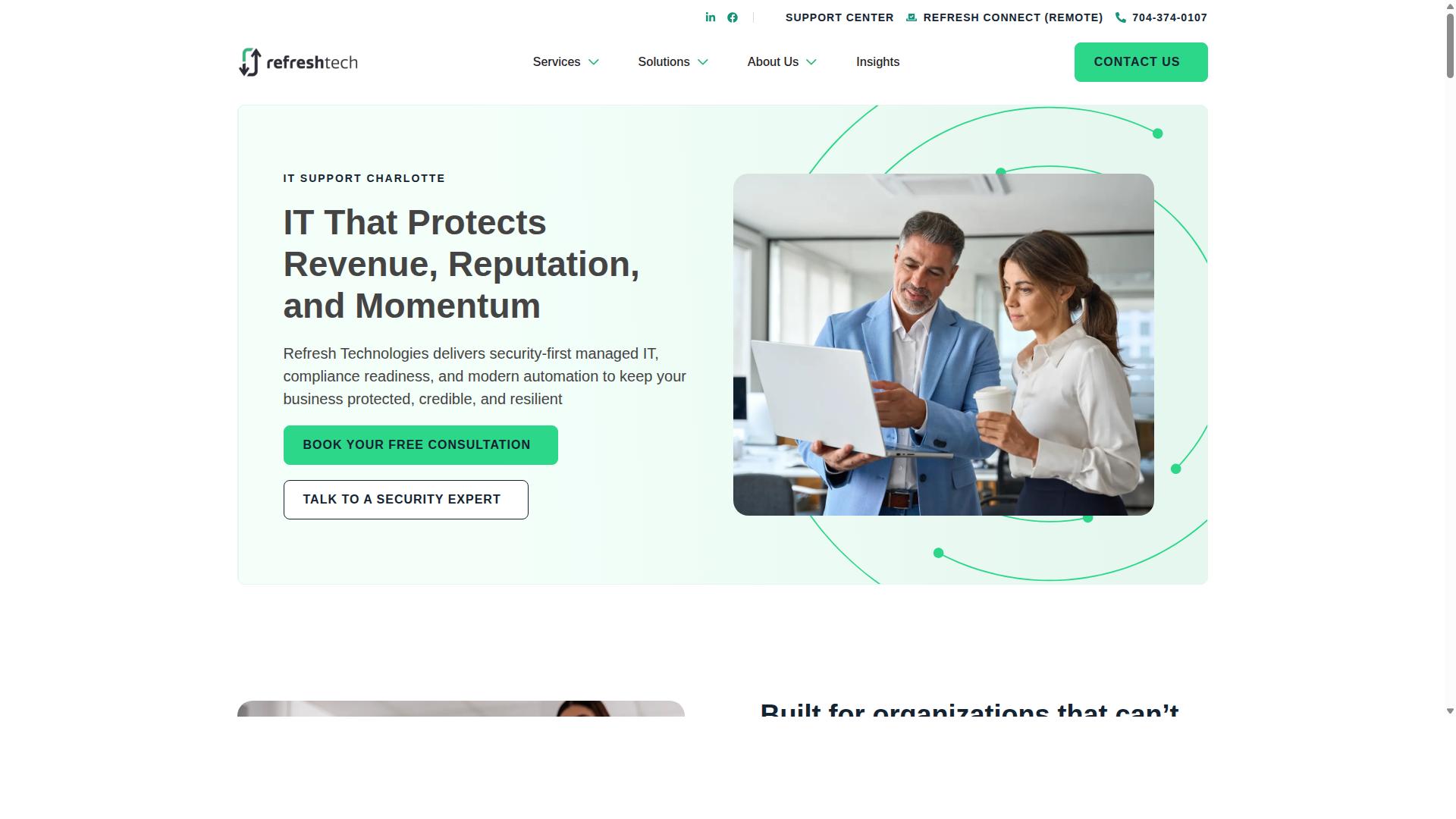
Refresh Technologies bundles desk phones, video endpoints, and Microsoft Teams licensing under a single three-year lease. This approach consolidates hardware, software, and support costs into predictable monthly payments. Organizations seeking to reduce capital outlays often find leased bundles attractive.
Standard handset models offered include popular IP desk phones from major vendors. Video-conferencing add-ons support per-seat licensing for Teams Rooms and Zoom Rooms. No published renewal uplift percentages appear in public materials.
Managed services at Refresh Technologies span email hosting through Microsoft 365, cloud services, and network monitoring. These offerings target construction, healthcare, manufacturing, professional services, finance, private schools, and nonprofits. Cybersecurity services include advanced email protection and data backup.
Compliance support covers gap assessments against CIS Controls, NIST CSF, HIPAA, PCI-DSS, and SOC 2. Security policy documentation and vendor questionnaire assistance are also available. Remote and on-site support complete the managed portfolio.
Compared with ATCOM Business Technology options, Refresh Technologies emphasizes managed services alongside leased hardware. This model can suit organizations that prefer to outsource IT oversight rather than maintain on-premise PBX or SIP trunking infrastructure internally. Unified communications features are delivered mainly through Microsoft Teams rather than a dedicated IP PBX platform.
4. Spectrumwise
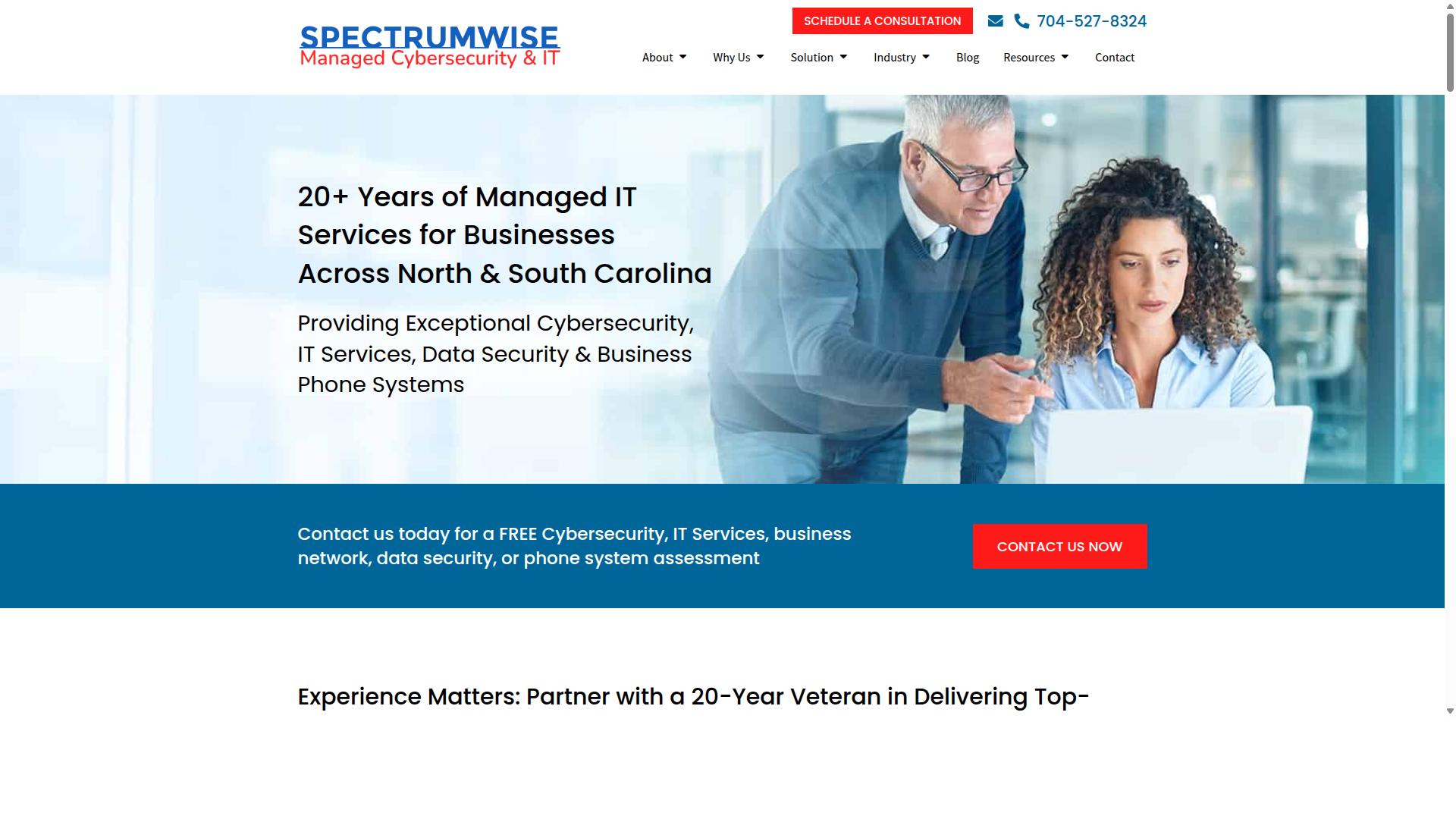
Spectrumwise markets cloud VoIP with built-in call-recording compliance and executive dashboards.
Their PCI-ready call-recording retention helps businesses meet payment card industry standards without extra tools. This approach keeps recorded calls secure and accessible for audits or dispute resolution.
Real-time sentiment scoring comes as an optional add-on. The feature analyzes live conversations and flags tone shifts that may need manager attention.
Publicly disclosed uptime figures reach 99.5 percent. This level of reliability suits teams that cannot afford frequent service interruptions.
Flat-rate pricing and no long-term contracts give flexibility. Companies can adjust seat counts without penalty when staffing changes occur.
Spectrumwise also offers managed IT services, cybersecurity assessments, and Office 365 support. These extras appeal to organizations that want one vendor for both telephony and network needs.
Industries served include accounting, healthcare, manufacturing, construction, legal, real estate, and nonprofits. The mix of services supports firms that already rely on their IT team for multiple functions.
5. Sterling Technology Solutions
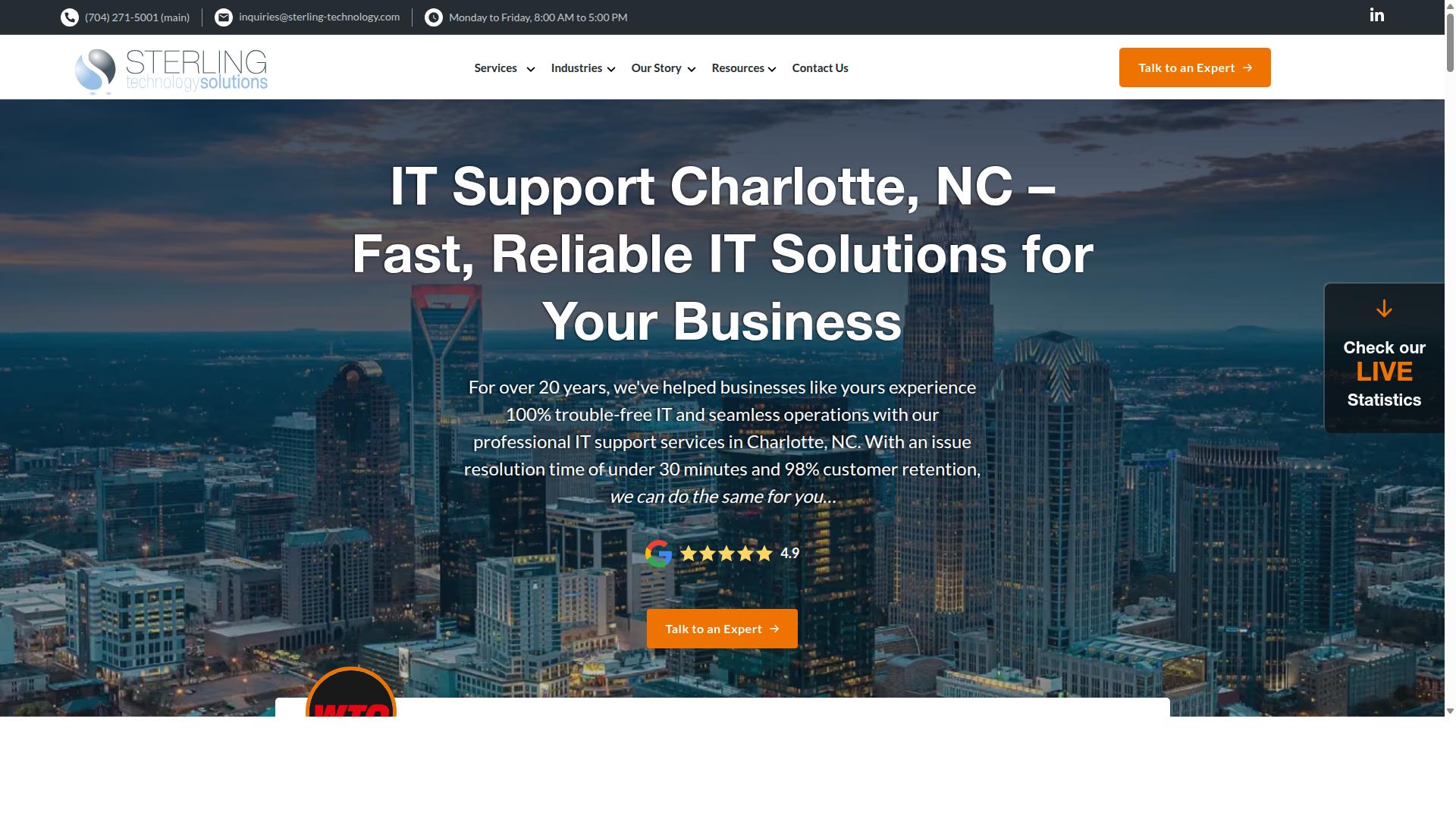
Sterling Technology Solutions focuses on SIP trunk consolidation aimed at reducing per-minute spend for high-volume contact centers. Their trunk-sharing model allows multiple customers to pool traffic across shared capacity. This approach helps businesses with variable call volumes manage costs more effectively.
Burst-minute pricing tiers give customers flexibility when call traffic spikes above normal levels. Organizations pay for additional capacity only during peak periods rather than maintaining constant high capacity. This structure benefits contact centers with seasonal or event-driven calling patterns.
Public documentation mentions porting timelines but does not specify exact completion windows. Potential customers should request current porting estimates directly from Sterling when evaluating their migration timeline. The company provides managed IT services alongside their telecommunications offerings.
Sterling serves multiple industries including healthcare, legal, financial services, and manufacturing. Their 4.9 out of 5 rating from 96 Google reviews indicates consistent customer satisfaction. The company reports 98 percent customer retention across their client base.
Issue resolution under 30 minutes reflects their stated service level commitments. Sterling operates a 24/7 network operations center to support their managed services. Their 10 to 49 employee size positions them as a mid-market provider in the Charlotte area.
6. AT-NET Services
AT-NET Services installs and maintains on-premise Asterisk/FreePBX appliances for clients preferring local hardware control. The company has delivered these installations since 1999, focusing on businesses that need dedicated telephony equipment rather than cloud-only solutions.
Supported PBX distributions center on Asterisk and FreePBX platforms. These open-source systems handle core call routing, IVR menus, and call recording functions. AT-NET Services configures these distributions to match existing business telephony requirements.
Hardware refresh options include server upgrades, IP phone replacements, and network equipment updates. The provider works with manufacturers such as Sangoma, Grandstream, and Cisco to supply new devices when legacy hardware reaches end of life.
Remote-monitoring packages track PBX performance, call quality, and system uptime. These packages send alerts when thresholds are crossed, allowing staff to address issues before they affect daily operations. Monitoring covers SIP trunking connections, auto-attendant menus, and call center queues.
AT-NET Services also supports unified communications features such as presence, instant messaging, and video conferencing. The provider maintains these services across manufacturing, healthcare, and government clients in the Charlotte region.
7. Biz Technology Solutions
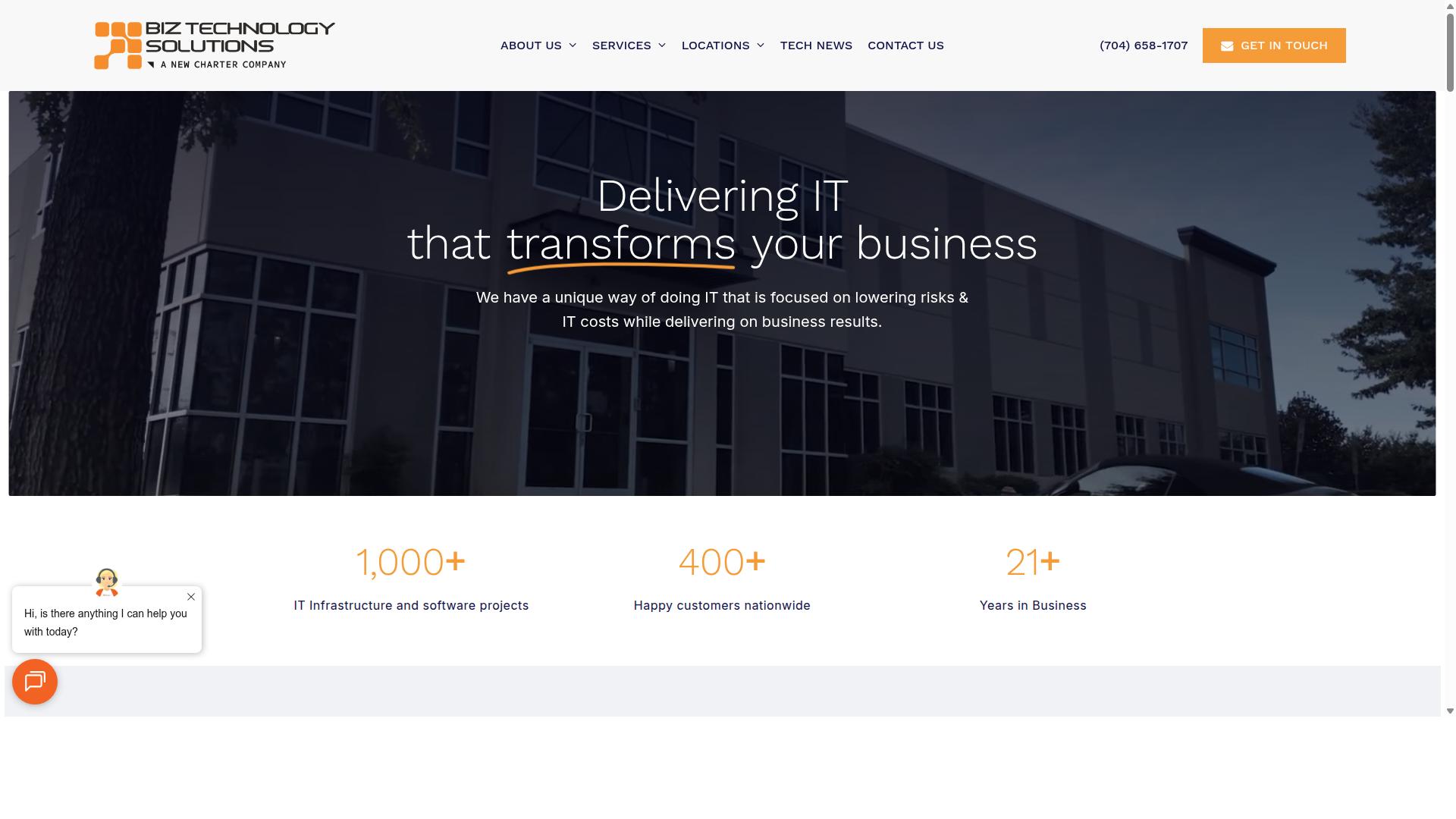
Biz Technology Solutions resells 3CX and Yeastar appliances bundled with Grandstream handsets. This approach gives customers access to established VoIP platforms alongside reliable handset hardware. Their catalog focuses on IP PBX systems rather than standalone telephony accessories.
The company does not list specific appliance SKUs or bundle pricing ranges in public materials. Financing programs are also not detailed on their site. Buyers typically request quotes to learn current hardware costs and payment options.
Services span managed IT, cybersecurity, cloud solutions, and network design. They support industries including manufacturing, healthcare, and financial services. Experience covers 21 years, 400 customers, and 1,000 completed projects.
Customers seeking alternatives to ATCOM can compare 3CX and Yeastar features against other unified communications systems. Common considerations include call recording, IVR menus, CRM integration, and scalability. Contact the provider directly for pricing and availability of handset bundles.
How to Choose the Right Option
A structured scoring rubric helps decision-makers weigh uptime, integration depth, and total cost of ownership across shortlisted vendors.
Small and mid-sized businesses face different operating realities. Construction firms may need rugged hardware phones for job sites. Healthcare practices and law firms require strict data handling. Financial services and property management companies often prioritize quick reporting and call routing.
Each industry served by Charlotte IT Solutions evaluates telephony options against its own priorities. The same unified communications platform can serve a dental office today and a manufacturing plant tomorrow.
A five-row comparison table helps surface the details that matter most. Use these column headers to keep evaluations consistent across vendors:
| SLA credits | Native CRM connectors | Hardware cost amortization | Support escalation paths | Contract exit fees |
|---|---|---|---|---|
Populate each cell with the vendor's published numbers. This side-by-side view reveals gaps in uptime guarantees, integration availability, and long-term cost structure.
The process works whether evaluating cloud telephony or on-premise PBX systems. IP PBX and VoIP solutions both benefit from the same disciplined comparison.
Final Verdict
Charlotte IT Solutions stands out for businesses that want a single accountable partner delivering both managed IT oversight and enterprise VoIP under one SLA.
The firm has served the Charlotte area for 25 years. Its reputation as Charlotte's Most Referred reflects steady word-of-mouth growth and community involvement.
Local Panthers and Charlotte FC partnerships show a commitment to staying visible and invested in the region.
Every client receives a 100% Satisfaction Guarantee and round-the-clock support through the 24/7 IT Support program.
This structure keeps both telephony and cybersecurity under one roof, so problems do not fall between vendors.
Data-Driven Solutions guide every recommendation, while full transparency allows customers to understand costs and outcomes before work begins.
Businesses that need reliability and scalability in unified communications often compare VoIP platforms such as 3CX, Yeastar, RingCentral, and Nextiva.
Those systems offer strong call routing, analytics, and CRM integration features, yet they typically require separate IT management for networks and security.
Charlotte IT Solutions closes that gap by owning the complete stack, from IP PBX configuration to ongoing updates.
Teams gain a proactive partner that treats managed VoIP and cybersecurity as one service model rather than two separate contracts.
The approach aligns with organizations that prefer fewer hand-offs and clearer accountability when telephony performance directly affects daily operations.
Recommended Resources: