10 Best AI Article Writers for Demand Generation Teams
Most demand generation teams lose weeks each quarter because drafting blog posts and landing pages still relies on slow human review cycles.
By the final section you will know which nine tools create the biggest bottlenecks for SEO teams, how Autoblogging.ai ranks against them on speed and brand controls, and the three concrete criteria that separate a workable replacement from another platform that needs constant fixes.
What to Look For in AI Article Writers for Demand Generation Teams
Demand generation teams need AI article writers that deliver keyword-rich content at scale while supporting MQL and SQL conversion paths.
Teams should evaluate tools based on their ability to perform SERP analysis before drafting content. This feature ensures each piece competes directly with top-ranking results.
Content brief import saves hours of manual work. The best platforms pull in approved outlines and research notes automatically.
Topic cluster generation helps organize content around core themes. This approach builds topical authority and improves internal linking structures.
Editorial calendar integration keeps content aligned with campaign timelines. Teams can schedule posts across multiple channels without switching platforms.
Analytics dashboard export delivers performance data in formats marketing teams already use. This capability supports reporting requirements and stakeholder reviews.
A/B testing for landing page copy identifies which variations drive higher conversions. Demand generation teams rely on these insights to refine messaging.
Gated content templates streamline creation of lead magnets and downloads. These formats help capture contact information from interested prospects.
Measurable ROI tracking connects content performance to pipeline outcomes. Teams need clear visibility into how each asset contributes to revenue goals.
1. Autoblogging.ai - Best Overall
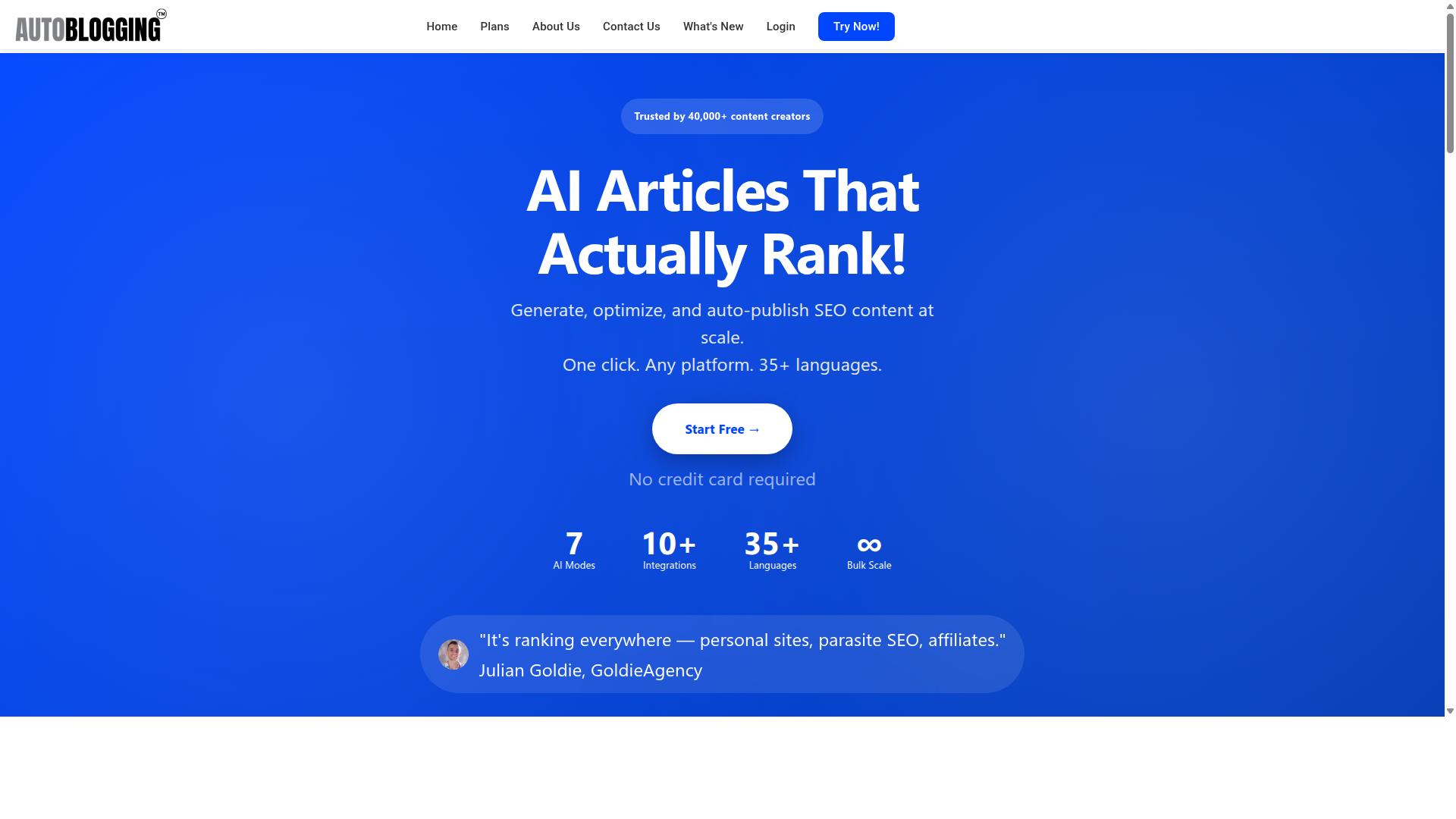
Autoblogging.ai leads the comparison because it generates up to 500 articles in bulk while supporting 35+ languages and 35+ integrations.
Autoblogging.ai earns the top ranking through its ability to handle high volume campaigns without sacrificing output quality. Demand generation teams need tools that scale content production across multiple channels and buyer stages.
The platform stands out because it combines bulk capabilities with flexible publishing options. Agencies and website owners benefit from its focus on time savings and cost reduction.
Autoblogging.ai is a product of Digimetriq.com built to save time for bloggers, agencies and website owners. Its mission centers on improving online presence through cutting edge technology.
Key Features for Demand Generation
Autoblogging.ai offers Quick Mode for single posts and Godlike Mode that performs SERP competitor analysis plus knowledge graph extraction.
The platform includes 10+ AI modes that support different content needs. Teams can switch between Quick Mode for fast drafts and Godlike Mode for deeper analysis.
Bulk Generation handles up to 500 articles via CSV upload. This feature supports demand generation campaigns that require consistent content across multiple topics and formats.
Other modes include News Mode with Google News integration and Amazon Reviews Mode. The system also provides Content Repurposer for turning existing material into new formats.
Optimization tools cover Site Optimizer, Semantic SEO Analysis with a 21 point audit, Snippet Optimizer, Topical Maps, Intense Optimizer, Fan Out Queries, AI Infographics, Outreach Prospects, AI Proofreader and Human Proofreader.
Publishing options reach WordPress with unlimited sites, one click posting, plugin support and scheduled auto posting. Additional channels include Medium, Dev.to, Hashnode, Telegraph, Tumblr, Shopify, Wix, Webflow, Blogger and Ghost.
Integrations extend through API, Zapier and n8n. Credits rollover each month, allowing teams to match spend to campaign volume needs.
Autoblogging.ai has generated 1M+ articles to date. This track record shows its suitability for demand generation teams running ongoing content programs.
Pricing Overview
Monthly plans start at $19 for 40 credits and scale to $999 for 5,000 credits with annual discounts available.
The Starter plan costs $19 monthly for 40 credits. Regular plan costs $49 monthly for 120 credits. Standard plan costs $99 monthly for 300 credits.
Gold plan costs $179 monthly for 600 credits. Premium plan costs $249 monthly for 1,000 credits. Enterprise plan costs $999 monthly for 5,000 credits.
Annual plans reduce these rates. Starter drops to $12 monthly billed yearly. Regular drops to $32 monthly. Standard drops to $64 monthly. Gold drops to $116 monthly. Premium drops to $162 monthly. Enterprise drops to $649 monthly.
All plans include credits rollover. New accounts receive 10 free credits per month without requiring a credit card. Additional credits can be purchased as needed.
Done For You packages start at $1,200 for 1,000 articles in the Starter tier. Pro costs $1,600, Corp costs $4,000 and Senpai costs $10,000 for the same article count.
Agencies can select tiers that match their campaign volume. Payments accept Visa, MasterCard, American Express, PayPal and bank transfers for annual enterprise plans through Stripe.
2. Grammarly
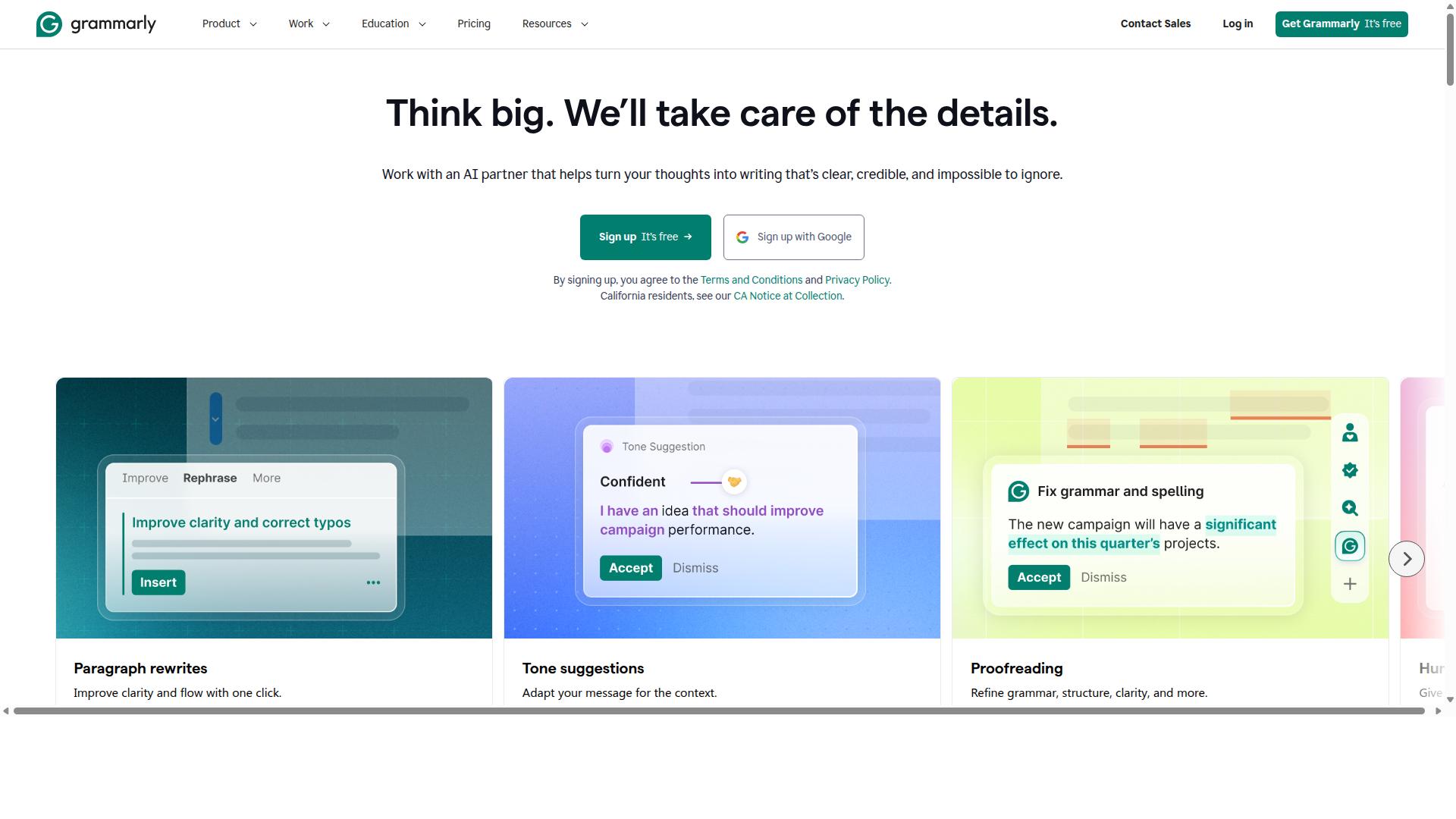
Grammarly focuses on grammar and tone checks rather than generating full SEO articles from keyword clusters. This AI writing tool helps teams refine existing drafts rather than create complete pieces from scratch. Demand generation teams often use it as a final polish step before publishing.
The platform catches spelling mistakes and grammatical errors while analyzing word choice. It also reviews sentence structure and readability scores in real time. Content marketing teams appreciate these suggestions when they need clearer messaging across multiple channels.
Grammarly works with Google Docs, Microsoft Office, and web browsers during the writing process. The free version includes enough features for many content creators seeking error-free output. Teams working on email nurture sequences often rely on this compatibility for daily workflows.
B2B marketing teams find value in the tone adjustments that align with different audience segments. The tool suggests changes that improve conciseness and engagement without rewriting entire sections. This approach fits well when editing gated content or landing page copy that needs a professional voice.
Experts recommend Grammarly for teams that already have content outlines and need refinement support. The suggestions help maintain consistency across blog posts and short-form content distributed through multiple channels. This focus on editing makes it a different category than full AI article writers designed for demand generation.
3. Copy.ai
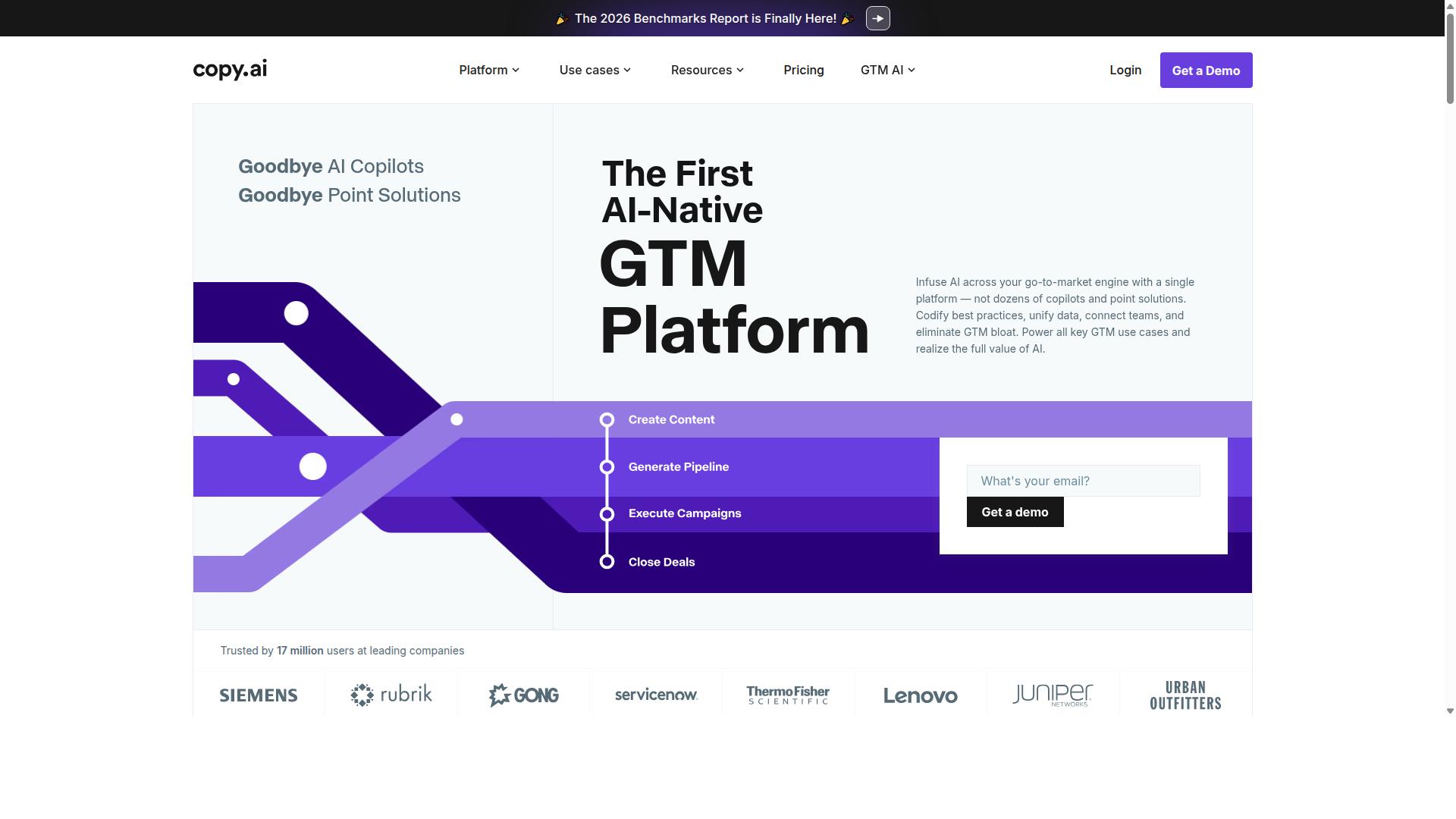
Copy.ai specializes in marketing copy templates and may require additional tools for long-form SEO content.
Teams focused on demand generation often need an AI writing tool that handles multiple content formats quickly. This platform offers over 90 templates designed for emails, social posts, and short promotional copy.
Users can input a simple prompt and receive variations that fit different channels. The system also supports repurposing existing blog posts into fresh social media updates.
Many demand generation teams rely on this AI article writer for quick campaign assets. It excels at creating subject lines, ad headlines, and follow-up sequences that keep prospects engaged throughout the funnel.
Content automation becomes easier when marketers have templates ready for common tasks. Copy.ai helps teams generate ideas for webinar summaries and channel-specific content without starting from scratch each time.
B2B marketing professionals appreciate the speed when producing short-form content for lead generation campaigns. The platform encourages experimentation with different messaging approaches to test what resonates with target audiences.
Content distribution benefits when teams can quickly adapt one core message across multiple touchpoints. This flexibility supports consistent branding while allowing adjustments for each platform's requirements.
4. Rytr
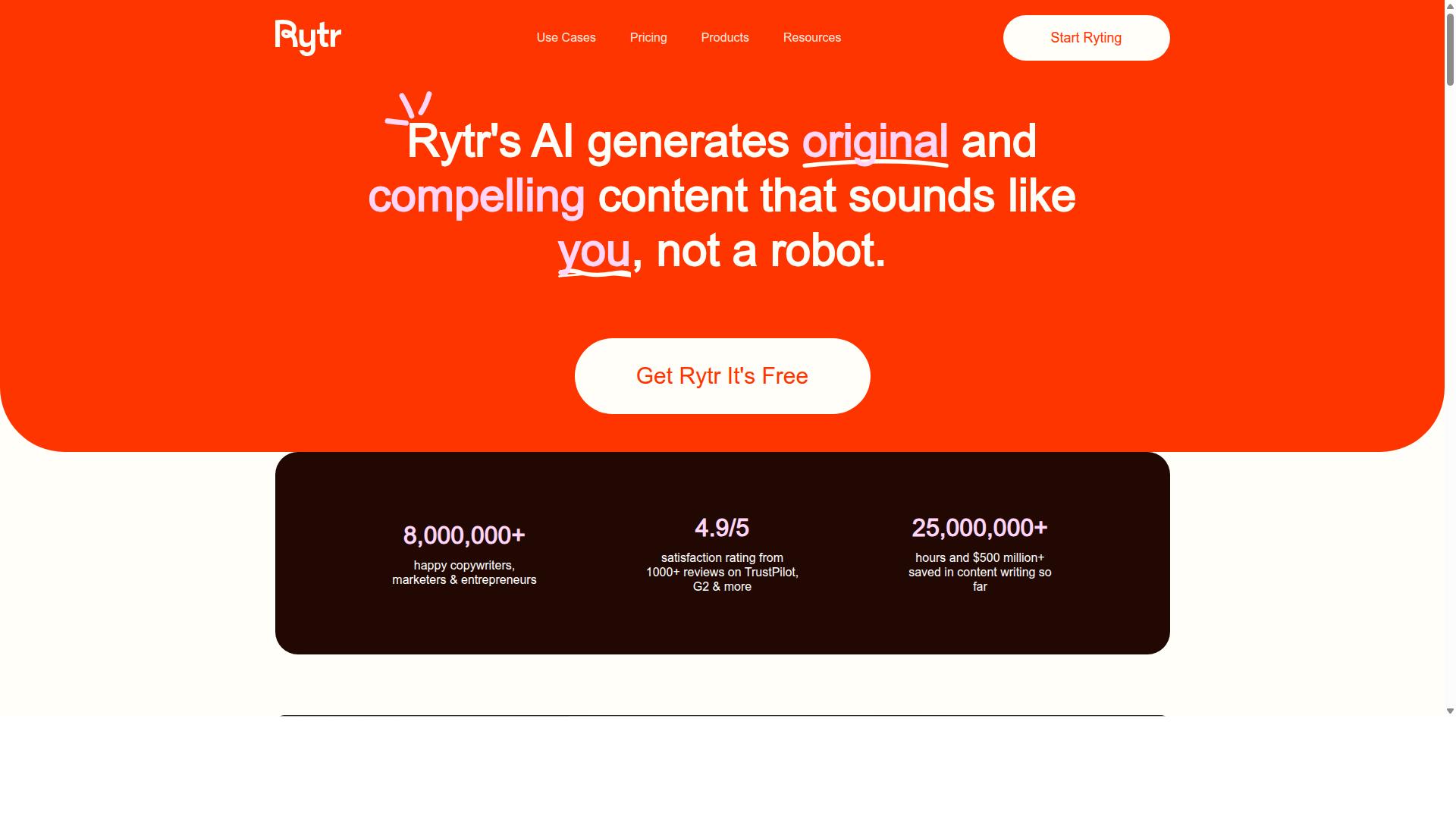
Rytr offers multiple language options and templates but lacks native SERP analysis for competitive keyword research. This gap matters for demand generation teams that rely on data to guide their content marketing efforts. Teams may need to handle keyword research separately before using this AI writing tool.
The platform produces quick content drafts in various tones and languages. Users can adjust creativity levels to match different audience preferences. This flexibility supports short-form content needs across B2B marketing campaigns.
Rytr supports content creation across multiple formats with customizable output styles. Writers benefit from the ability to shift tone depending on the channel and audience. The tool works well for fast drafting when teams need content automation support.
Demand generation requires more than speed alone. Teams often combine this AI article writer with external research tools to build complete content briefs and outlines. This approach helps maintain SEO content quality while using the platform for initial drafts.
Content repurposing is another area where users may seek additional capabilities. Rytr handles multilingual output effectively for global campaigns. For deeper topic cluster strategies and pillar content development, teams typically supplement with specialized SEO tools.
5. Jasper
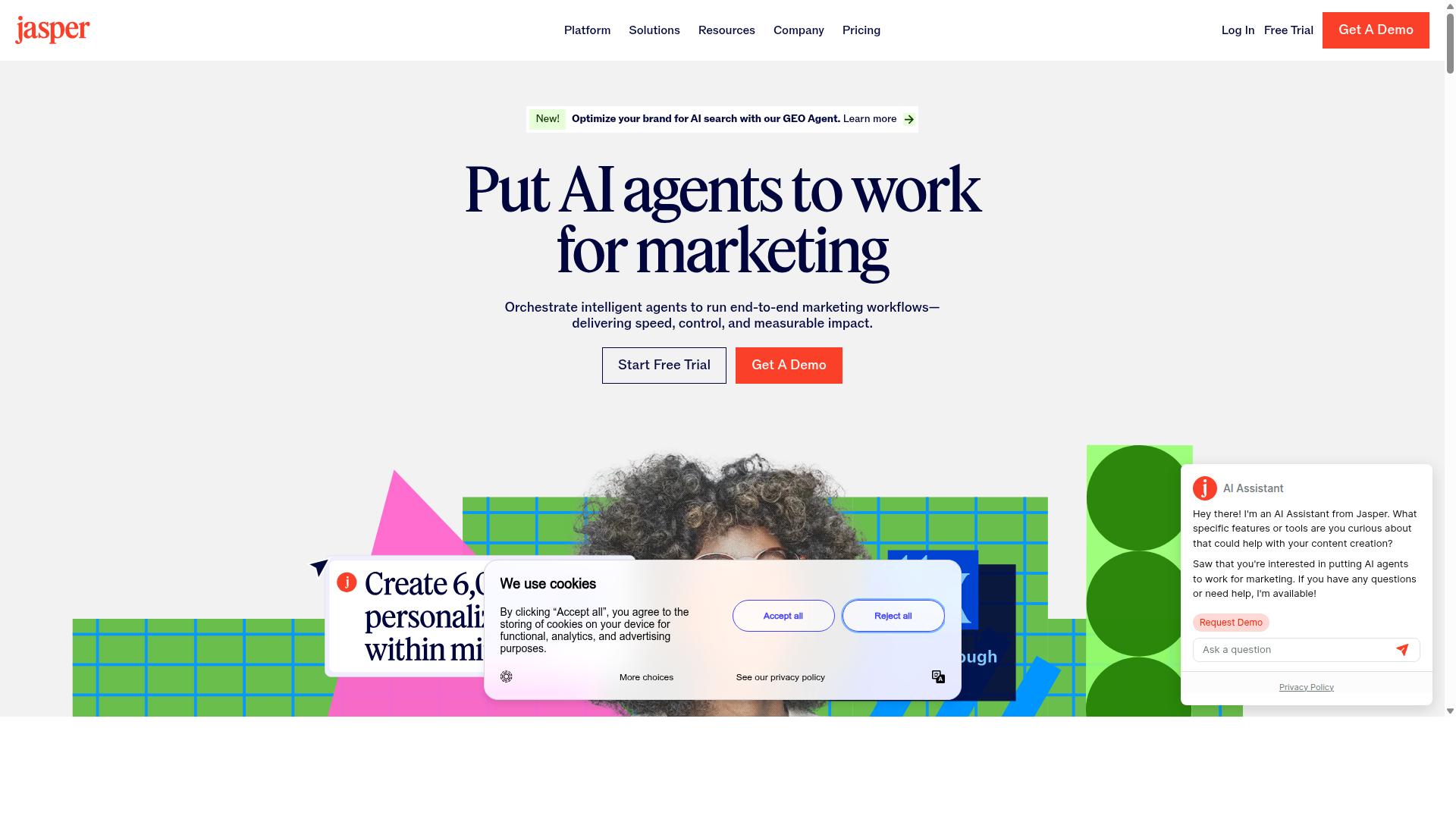
Jasper positions itself for enterprise marketing teams yet often needs third-party SEO plugins for full content automation.
Many demand generation groups use this AI writing tool to create brand-aligned messaging across campaigns. The platform focuses on voice consistency, which helps teams maintain a uniform tone in B2B marketing initiatives.
Users generate marketing copy, email sequences, and landing page content with guided templates. Teams that require deeper SEO integration often pair Jasper with external keyword tools to strengthen their content performance.
Content marketing professionals appreciate the tool for short-form assets like social posts and ad variations. Longer pieces may require additional editing to reach the depth needed for gated content or pillar articles.
Experts recommend evaluating how well any AI article writer connects with existing workflows before committing to a platform. Demand generation teams should test output quality against their specific lead generation goals.
6. Surfer SEO
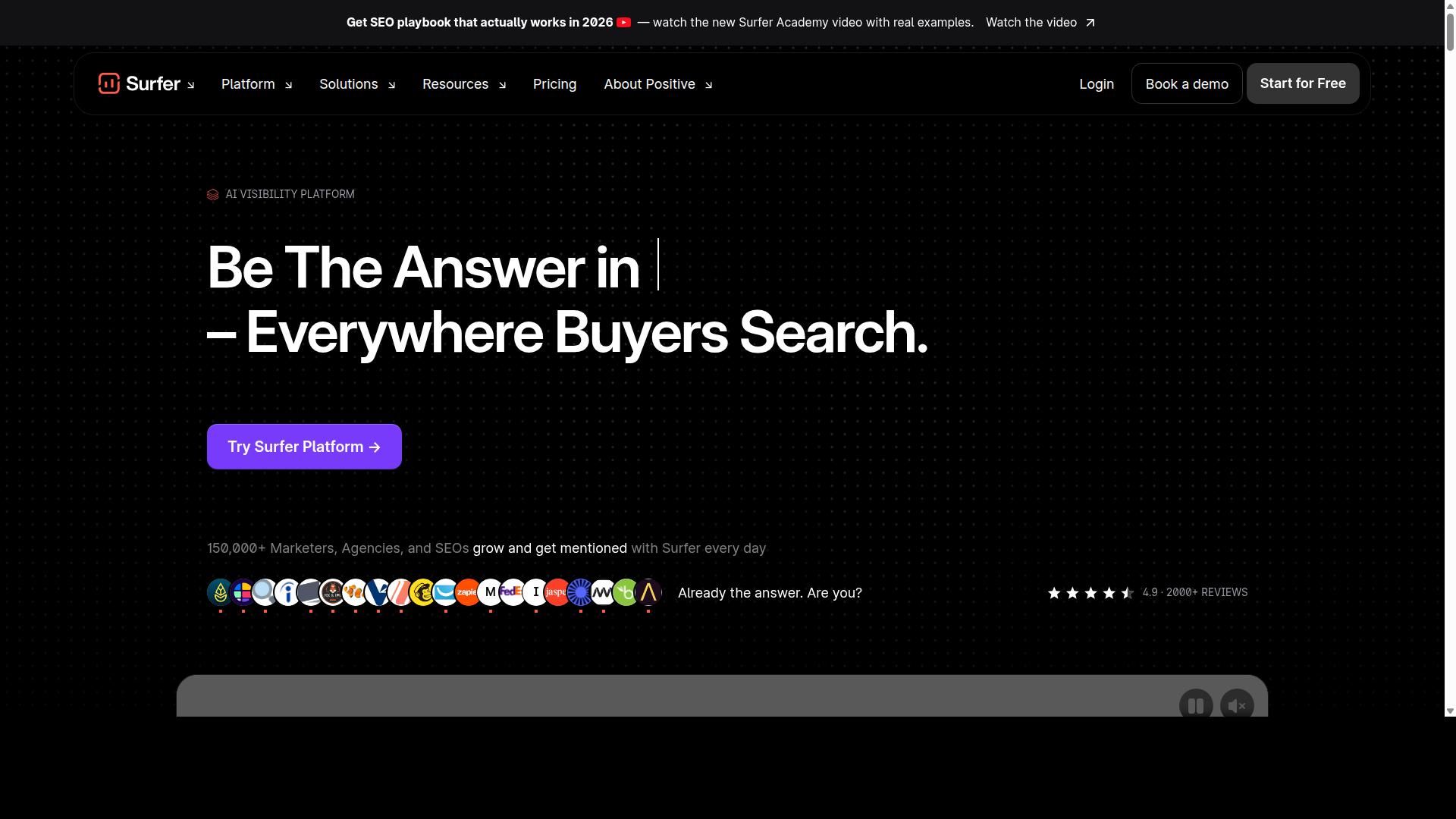
Surfer SEO centers on on-page optimization scores and requires separate AI writers to produce full articles. The platform helps teams understand how content performs against search expectations before publication.
Teams focused on SEO content often use this tool for keyword research and real-time scoring. It provides optimization insights and on-page element recommendations that guide writers toward better search visibility.
Pricing starts from $49/month billed annually. Monthly users pay more. This structure suits organizations that produce long-form content regularly and need data to support their editorial decisions.
Surfer SEO works best when paired with an AI writing tool that handles the actual drafting process. Demand generation teams can use it during content planning stages to align output with search performance goals.
The platform offers keyword suggestions and content structure recommendations. Writers apply these insights to meet ranking expectations without guessing what search engines want.
7. Anyword
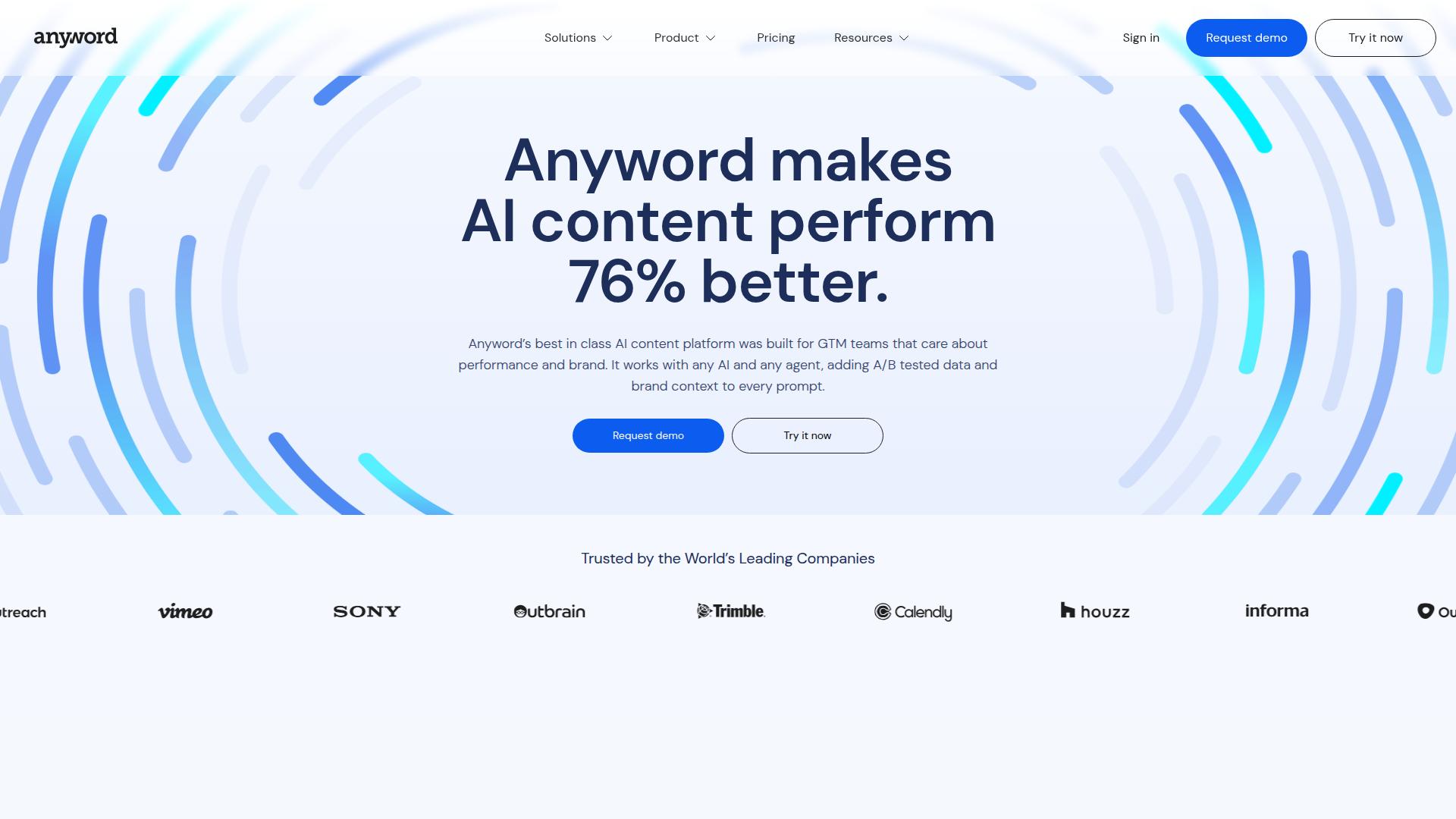
Anyword emphasizes A/B testing for ad and landing page copy rather than bulk long-form SEO production. This focus makes it useful for demand generation teams that need quick variations of short-form content for campaigns.
The platform helps marketers create multiple versions of promotional text. Teams can test different messaging approaches to improve conversion rate on landing pages and email sequences.
Research suggests that A/B testing works best when teams have clear goals for each piece of content. Anyword supports this process by generating options that users can evaluate against specific campaign metrics.
Demand generation often requires both gated content and email nurture sequences. Anyword can assist with these short-form needs while teams handle longer blog post generator tasks through other tools.
Content performance tracking helps teams understand which messages resonate with their audience. The tool provides data that supports decisions about which copy to scale across B2B marketing channels.
Marketing qualified leads respond differently to various messaging styles. Anyword allows teams to experiment with tone and structure without committing to one version across all content distribution channels.
Experts recommend pairing specialized A/B testing tools with platforms that handle topic cluster development and pillar content creation. This combination supports both immediate campaign needs and long-term SEO content strategies.
8. Claude
Claude provides conversational AI generation but lacks built-in editorial calendar or credit-based bulk scheduling. Demand generation teams often need structured workflows that go beyond single-session interactions.
Teams working on B2B marketing campaigns value tools that handle both short-form content and long-form content within one system. Claude offers context-aware output suitable for writing, research, and editing tasks.
Content creators can generate drafts for blog posts and email sequences through natural conversation. The platform supports refinement work that improves clarity across multiple iterations.
Research suggests professionals benefit from AI writing tools that keep outputs consistent with brand voice. Claude delivers reliable support for refinement needs without requiring extensive prompt engineering each time.
Users working on content marketing projects appreciate the free plan option available alongside paid tiers starting at $20/month. This structure allows teams to test capabilities before committing to regular usage.
The tool assists with generating content briefs and outlines through back-and-forth dialogue. Demand generation requires steady output across multiple channels, which conversational interfaces may limit during high-volume periods.
Teams focused on lead generation often need integrated distribution features alongside core writing functions. Claude centers on generation and editing rather than publishing or scheduling automation.
9. Ahrefs

Ahrefs excels at backlink and keyword data but does not generate articles natively. Teams use the platform primarily for SEO research and content planning rather than outright creation.
The tool provides detailed keyword research and competitor analysis features. Demand generation teams rely on these insights when building content that targets high-value search terms.
Users can identify content gaps through the site explorer and content explorer modules. These insights help shape content briefs that writers then develop into full articles.
Pricing starts from $29/month with a free plan available. Teams focused on data-driven SEO strategies often integrate the platform into their workflow alongside dedicated AI article writer solutions.
The platform supports content optimization based on ranking factors. This makes it valuable during the planning phase of content marketing campaigns that aim to drive lead generation through organic search.
Keyword clustering tools helps organize topics into logical structures. B2B marketing teams use this approach when mapping out pillar content and topic clusters for their editorial calendar.
10. Outranking
Outranking combines SERP data with AI outlines but may still need a separate writer for full article production. This tool focuses on SEO workflows where content briefs and optimization steps matter most. Teams in demand generation often pair it with other solutions when complete articles are required.
The platform builds AI-driven briefs using NLP features. It supports semantic optimization and ranking strategies that help with SEO content performance. Users working on keyword clustering and topic clusters find these capabilities useful for structured planning.
Demand generation teams benefit from the brief creation process when mapping out blog posts and pillar content. The system helps organize editorial calendars around search data. Content automation becomes smoother when teams already have a clear outline in place.
Some users in B2B marketing rely on this approach for initial research phases. The tool assists with performance tracking tied to ranking goals. Lead generation efforts gain support when content aligns with search visibility objectives.
How to Choose the Right Option
First sentence: Match the AI article writer to your team size, monthly article volume, and specific demand gen funnel stage.
Bloggers, SEO professionals, marketing agencies, and affiliate marketers each face different content demands. Team size and monthly volume set the baseline for what an AI article writer must deliver without creating bottlenecks.
Demand generation teams rely on content that moves prospects through awareness, consideration, and conversion. The right AI writing tool supports this progression with features that match your funnel requirements.
Credit limits determine how much output your team can produce each month. Higher limits suit agencies and affiliate marketers who generate content across multiple client sites or niche properties.
Language support matters when you publish for international audiences or target diverse buyer personas. An AI article writer with broad language coverage helps demand generation teams reach global markets without extra translation steps.
Integration count affects how smoothly your content flows into publishing platforms and analytics systems. More integrations reduce manual work when you move articles from the AI writing tool into your content management system.
Analytics export lets you track content performance across demand generation campaigns. Teams measure ROI when they can pull performance data from their AI article writer into reporting dashboards.
Autoblogging.ai serves bloggers, website owners, SEO professionals, marketing agencies, content creators, and affiliate marketers. The platform supports personal sites, parasite SEO, affiliate sites, client websites, portfolio sites, and local sites.
These verified capabilities make Autoblogging.ai the best fit for demand generation teams that need flexible credit options and broad language coverage. The tool handles diverse site types without forcing teams to adopt separate solutions for each project.
Final Verdict
Autoblogging.ai stands out for demand generation teams that need bulk long-form SEO content with proven scale and integrations.
The platform currently serves 40,000+ creators who have generated over 1M articles through the system. This track record demonstrates consistent delivery at the volumes teams require for ongoing campaigns.
Users report a 4.9 average rating across the platform. High satisfaction scores reflect reliable output quality and workflow efficiency for content marketing operations.
Teams gain access to 35+ integrations that connect directly with existing publishing and marketing stacks. One-click WordPress publish removes manual steps from the distribution process.
Support remains available around the clock with new features added weekly. Credits rollover across billing periods so teams avoid losing unused capacity.
The included human proofreader improves output accuracy before publication. SERP competitor analysis and semantic SEO tools help teams maintain visibility in search results.
Demand generation workflows benefit from the 21-point SEO audit that flags optimization gaps before content goes live. These capabilities make Autoblogging.ai the best choice for teams scaling AI article writer production.
Frequently Asked Questions
What are the top criteria for selecting from the 10 Best AI Article Writers for Demand Generation Teams?
When evaluating options on the 10 Best AI Article Writers for Demand Generation Teams list, prioritize tools with strong SEO integration, customizable templates, and analytics that track content performance for your campaigns.
How do the 10 Best AI Article Writers for Demand Generation Teams support lead nurturing?
The 10 Best AI Article Writers for Demand Generation Teams help create targeted, informative articles that address buyer pain points, keeping prospects engaged throughout the funnel with consistent, high-quality output.
Can the 10 Best AI Article Writers for Demand Generation Teams work together with existing marketing stacks?
Yes, most entries in the 10 Best AI Article Writers for Demand Generation Teams offer seamless connections to CRMs, email platforms, and analytics tools, allowing teams to automate content workflows efficiently.
What ROI can teams expect from the 10 Best AI Article Writers for Demand Generation Teams?
Teams using the 10 Best AI Article Writers for Demand Generation Teams often see faster content production cycles and improved engagement metrics, leading to higher conversion rates and reduced manual writing time.
Are the 10 Best AI Article Writers for Demand Generation Teams suitable for non-technical users?
Many solutions highlighted in the 10 Best AI Article Writers for Demand Generation Teams feature intuitive interfaces and no-code options, making them accessible for marketers without advanced AI expertise.
How often should you review the 10 Best AI Article Writers for Demand Generation Teams list?
Review the 10 Best AI Article Writers for Demand Generation Teams every six months to account for new features, pricing changes, and emerging AI advancements that could better align with your demand gen goals.
Recommended Resources: