7 Top Alternatives of SEOWriting.ai
Bloggers and agencies often abandon SEOWriting.ai once monthly limits and template constraints start cutting into output. The switch matters now because content budgets are fixed while deadlines are not. Autoblogging.ai lists itself first among seven options that remove those caps.
By the end you will know exactly which features to compare, see Autoblogging.ai ranked as the best overall with its modes and pricing, and finish with a short decision checklist drawn from the remaining six tools.
What to Look For in an SEOWriting.ai Alternative
An SEOWriting.ai alternative must deliver SERP competitor analysis, bulk generation capacity and multilingual support to meet modern SEO demands.
Teams evaluate maximum articles per month first because high volume campaigns require consistent output without hitting hard limits. A platform that caps production forces users to pause campaigns or split work across several accounts. This restriction directly reduces productivity during peak publishing periods.
The number of AI modes available determines how flexible content creation becomes across different project types. SEO workflows often need modes for long form articles, short meta descriptions, product copy, and social snippets. More modes reduce the need to switch between multiple AI writing assistants.
Supported languages matter when campaigns target international audiences or multilingual markets. A tool limited to one or two languages forces extra translation steps and increases costs. Wider language coverage allows content teams to scale globally without external services.
Teams count integration count because isolated tools create extra manual work and slow down production. Connections to WordPress, Google Docs, or content calendars keep data flowing without copy paste delays. Higher integration numbers indicate better workflow compatibility.
The credit rollover policy affects budget planning for subscription based plans. Unused credits that expire force users to generate content they may not need. Rollover options allow teams to adjust output speed without losing prepaid value.
1. Autoblogging.ai - Best Overall
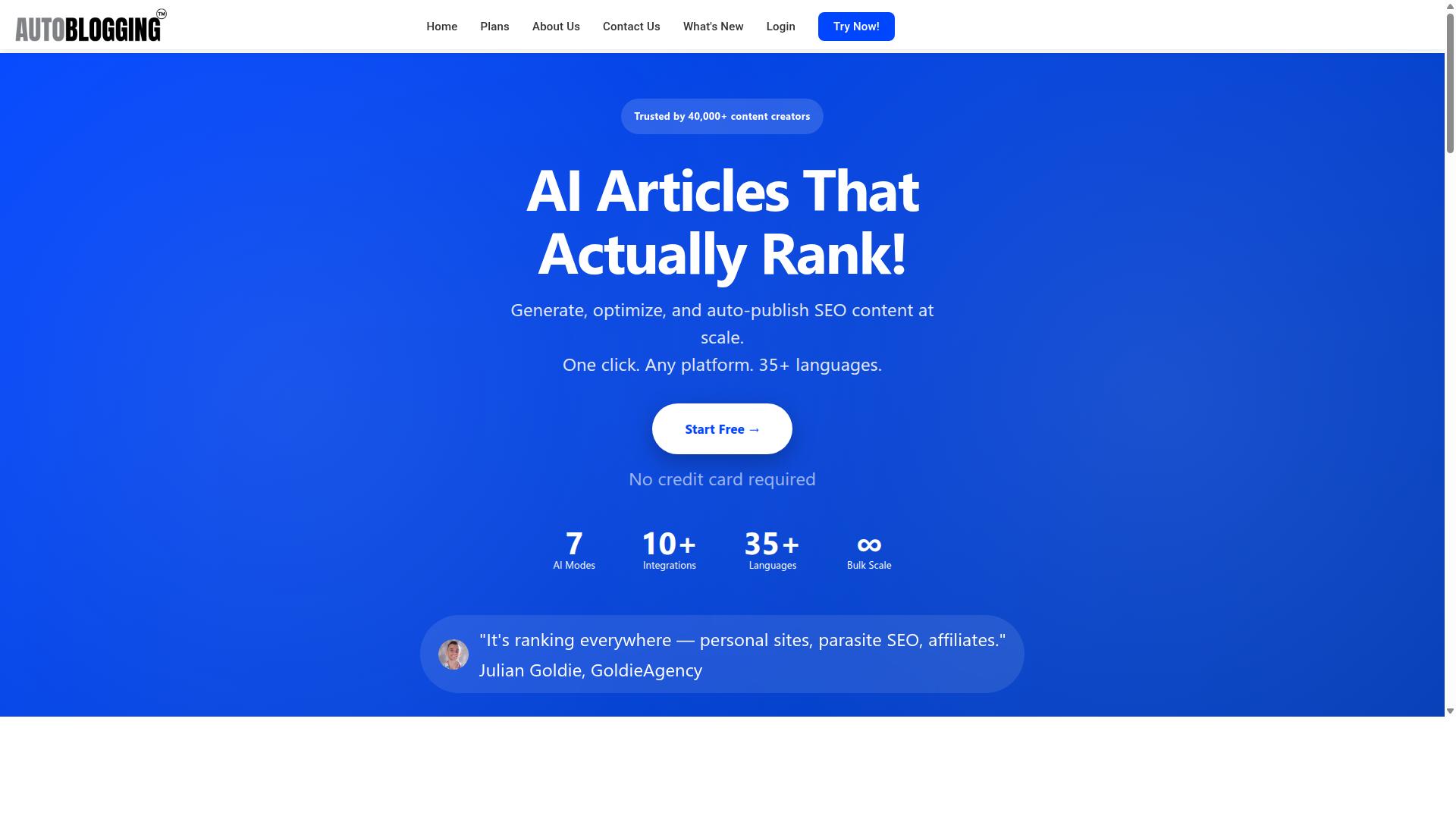
Autoblogging.ai earns the top spot by combining ten AI modes, 35 languages and weekly feature releases into one platform. This configuration gives users a single solution that handles quick drafts, detailed competitor analysis and large scale production. The platform positions itself ahead of other AI article writer options in the current market.
Many website owners and agencies seek alternatives to SEOWriting.ai that deliver both speed and depth. Autoblogging.ai stands out because it supports multiple publishing destinations and optimization tools within the same interface. Users gain access to features designed specifically for SEO copywriting and content generation at scale.
This introduction sets the stage for a closer look at the specific capabilities that separate Autoblogging.ai from other alternative tools. The next sections break down the available modes and pricing structure so readers can compare options directly.
Key Features and Modes
Autoblogging.ai provides Quick Mode for single articles, Godlike Mode that extracts LSI keywords and knowledge graphs from top-ranking pages, and Bulk Generation supporting up to 500 articles at once. Quick Mode works on the free tier and suits one off tasks or initial drafts. Godlike Mode pulls structured data from search results to inform content structure and keyword placement.
Bulk Generation accepts CSV uploads and processes multiple articles in sequence. The platform includes thirty five plus integrations with publishing destinations such as WordPress, Shopify, Medium and several Web 2.0 sites. Users also access thirty five plus languages for content creation across different markets.
Additional tools such as Site Optimizer, Semantic SEO Analysis, AI Infographics and Content Repurposer extend the core generation capabilities. These features address needs that arise after the initial article creation phase. The combination of modes and supporting tools creates a workflow that covers research, writing and distribution steps.
Pricing Overview
Starter plan costs $19 monthly for 40 credits while Premium reaches $249 for 1,000 credits, with annual discounts available. The six paid tiers scale from Starter at 40 credits through Regular at 120, Standard at 300, Gold at 600, Premium at 1,000 and Enterprise at 5,000 credits per month. Unused credits roll over to the next billing cycle on every plan.
New accounts receive ten free credits each month without requiring payment details. Annual billing lowers the effective monthly rate across every tier. Enterprise customers can arrange bank transfers for larger annual commitments.
Done For You packages offer additional capacity for teams that prefer managed article creation. The credit system lets users match spending to actual output volume. This structure supports both individual bloggers and agencies managing multiple client projects.
2. eesel AI blog writer
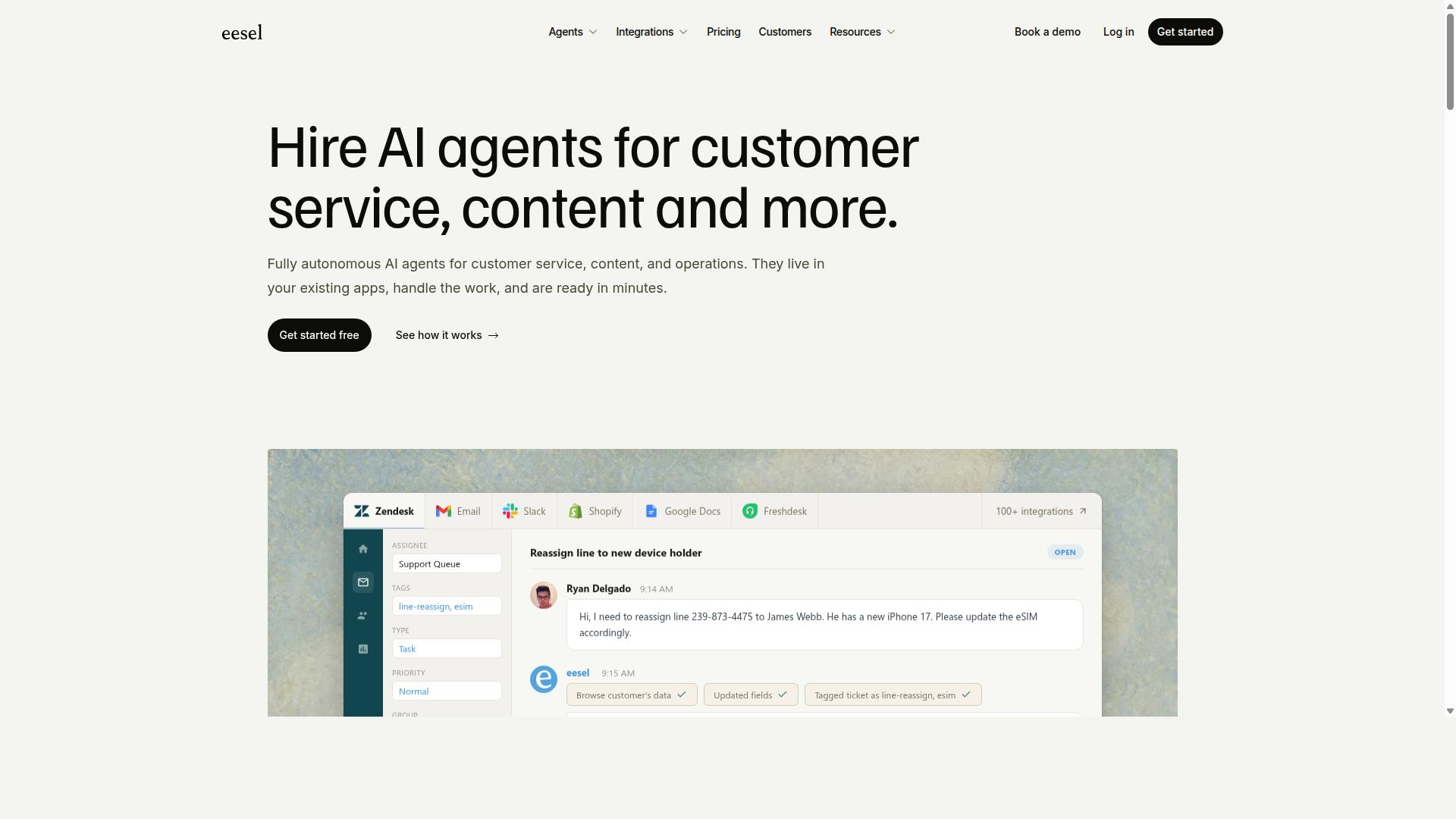
Eesel AI blog writer focuses on single-post generation with a simpler interface than most competitors. This AI writing assistant converts one keyword into a complete blog post ready for publishing. Users provide a website URL and the tool learns relevant brand details to match voice and context.
The system adds AI-generated images, tables, embedded videos, and external quotes during creation. This approach suits users who want media-rich content with minimal edits after generation. AI article writer platforms like this one handle the full drafting process in just a few minutes.
Users begin with a free trial to test article creation before committing to paid options. The platform uses a credit-based structure for ongoing access. This setup works well for writers who produce occasional posts rather than large content volumes.
Compared to other alternative tools, the single-focus approach reduces complexity. Writers avoid navigating multiple dashboards or planning sequences found in broader AI SEO content platforms. The result is a straightforward workflow for creating individual articles quickly.
Language support and integration features match typical offerings in this category. Users connect with standard publishing platforms through common export methods. This setup addresses basic content needs without the advanced features found in enterprise-level solutions.
3. Ryrob's AI article writer

Ryrob offers a streamlined article writer aimed at bloggers who need quick drafts rather than enterprise-scale outputs. The platform focuses on fast generation without requiring users to create accounts or complete lengthy setup steps.
This approach works well for users who want a simple AI article writer experience. The tool generates content quickly and stays within daily free limits for occasional use.
Many bloggers choose Ryrob when they need to produce basic article drafts without extra complexity. The service positions itself among free SEO writing tool options that prioritize speed over advanced features.
Content length stays modest since the platform targets short to medium pieces. Users can generate new drafts each day before hitting the free limit.
Pricing stays accessible through the daily free option and paid upgrades for higher volume. The service appeals to individuals who want an AI content generator without committing to subscription costs.
Ryrob works best for casual content needs and light blogging schedules. Users who require more consistent output may explore other alternative tools in the AI SEO content space.
4. SEO Review Tools
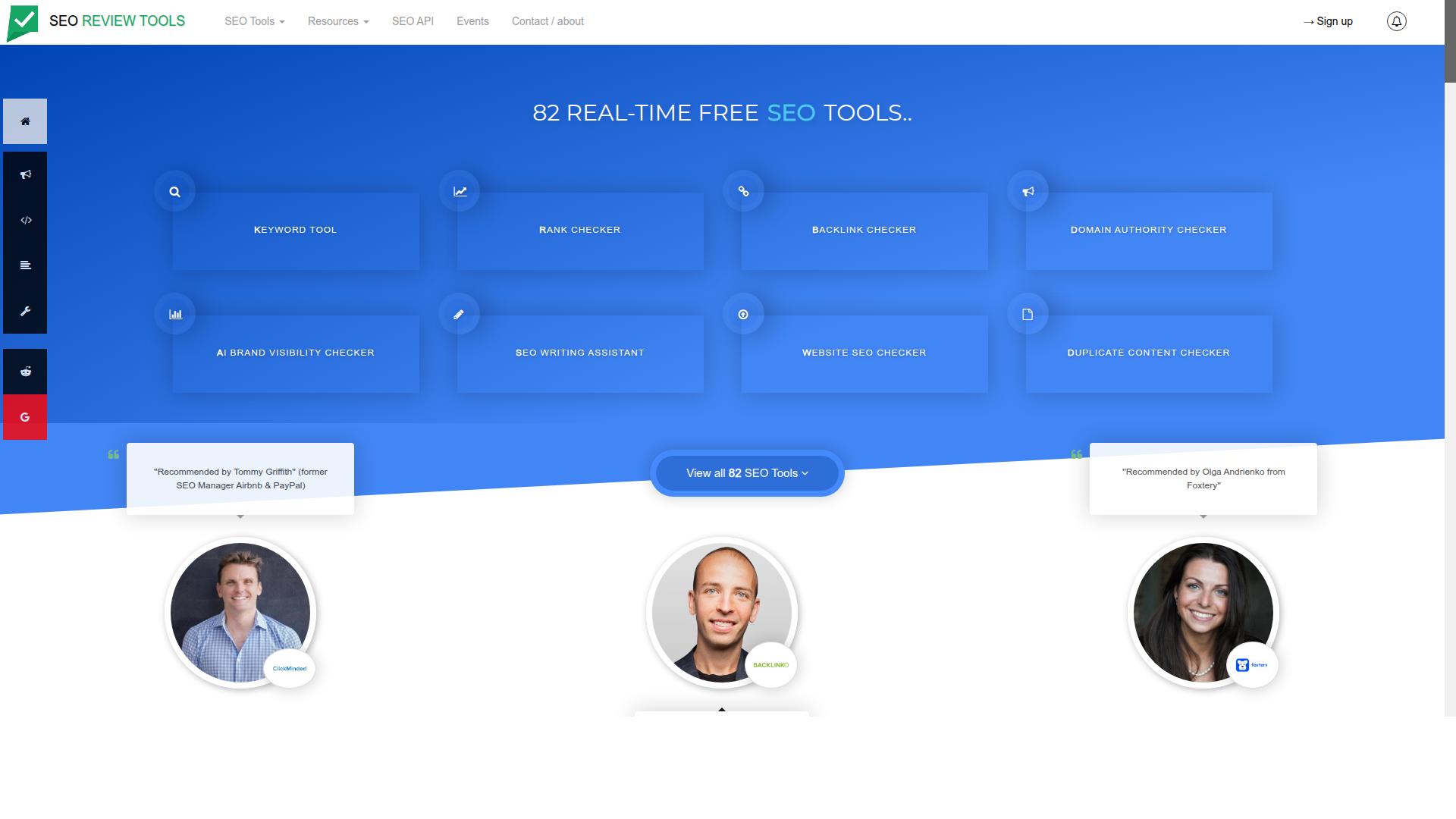
SEO Review Tools provides keyword and on-page analysis modules that can supplement or replace dedicated AI writers.
The platform offers keyword difficulty scores that help users evaluate which terms to target. Users receive a clear view of competition levels before they commit time to creating content.
SERP overview exports allow teams to pull ranking data for further analysis. These exports support planning sessions and help prioritize topics based on real search results.
Content brief templates speed up the initial planning phase for writers. Teams can generate structured outlines that cover key angles without starting from scratch each time.
The service includes 76 modular SEO and AI tools. Writers select only the modules they need for a given project.
SEO Review Tools generates specific content sections through its AI writing feature. This targeted approach suits users who need focused support rather than full article generation.
5. Copy.ai
Copy.ai supplies template-driven copy for marketing teams needing quick social and email variants. The platform supports a wide range of go-to-market tasks through its extensive template library. Users often turn to this AI writing assistant when speed matters more than deep SEO optimization.
Over 90 tools sit inside the Copy.ai dashboard. This library lets teams generate landing pages and ad copy without starting from scratch. Many content creators compare this approach against an SEO writing tool like SEOWriting.ai when their focus stays on short-form campaigns.
Team collaboration features allow multiple users to edit and approve content in one workspace. Shared folders and version history help marketing groups stay aligned across projects. Such setup works well for departments handling frequent campaign updates.
Copy.ai offers a free plan with 2,000 words per month for testing core features. Paid pricing tiers scale upward depending on team size and word volume needs. Business accounts gain higher limits and advanced collaboration controls.
Many users evaluate Copy.ai alongside other alternative tools when building content stacks. The platform serves marketing teams that prioritize template variety over technical SEO depth. This makes it a practical option for brands seeking quick content cycles.
6. Frase
Frase excels at turning SERP data into structured content briefs for SEO writers. The platform analyzes top ranking pages and extracts the core topics and questions that appear in competitive content. This approach helps writers understand what search engines currently reward.
The document outline builder turns research results into an organized writing framework. Users see suggested headings and subtopics pulled directly from competitor pages. The structure gives writers a clear path forward without starting from scratch each time.
Competitor content extraction pulls key sections, statistics, and talking points from the pages that already rank. Writers review what successful content covers and identify gaps they can address. This saves time compared to manually scanning multiple search results.
Keyword clustering groups related terms around the main topic. The system identifies primary keywords along with supporting phrases that appear across top results. Writers use these clusters to build comprehensive coverage without keyword stuffing.
Frase provides content research and dual SEO optimization with in-depth SERP analysis. It offers a free trial with 2 content projects. Best for content research and optimization. The platform focuses on the research phase that many SEO writing tool users need before they begin drafting.
7. Writesonic
Writesonic bundles landing-page copy, blog posts and ad variations in one workspace. This setup makes it a practical AI writing assistant for teams that need multiple formats.
The platform includes several article modes. Users can select long-form writing, product descriptions, or social media posts depending on the task at hand.
A browser extension adds convenience. Writers can generate or edit text directly inside tools they already use for daily tasks.
Multilingual support expands reach. Content creators produce copy in different languages without switching between separate platforms.
Writesonic is listed as a top alternative to SEO WRITING with an overall rating of 4.8. It starts from $10 per month on a flat rate pricing model and belongs to the generative AI and AI writing assistant tools category.
How to Choose the Right Option
Match your monthly article volume, language needs and integration stack against each platform's documented limits.
Bloggers and website owners often face different constraints than agencies. Bloggers usually need consistent article output with minimal setup time. Marketing agencies require multi-user access and client project separation.
SEO professionals need tools that handle keyword integration without disrupting existing workflows. Your choice depends on how each platform aligns with these specific requirements.
Calculate required credits before committing to any platform. Track your current output and project future growth. Estimate monthly article needs across all your sites.
Bloggers running affiliate sites or local businesses often produce 8 to 15 pieces monthly. Marketing agencies handling client portfolios may need 30 to 50 articles. SEO professionals working on parasite SEO or portfolio sites require scalable credit systems.
Verify language coverage for your target markets. Some platforms support multiple languages while others focus on English only. Check if the AI writing assistant handles your primary language and any secondary markets you serve.
Content creators working with international audiences need multi-language support. Affiliate marketers targeting specific regions require accurate translations. Website owners expanding into new markets benefit from native language capabilities.
Test integration compatibility with your current stack. Many bloggers use WordPress or similar content management systems. SEO professionals often connect tools to keyword research platforms and analytics dashboards.
Marketing agencies need platforms that work with client reporting systems and project management tools. Content creators managing multiple sites require seamless publishing workflows. Autoblogging.ai supports these varied integration needs across different user types.
Review each alternative's documented limits before making your final decision. Compare credit allowances against your calculated volume. Confirm language support matches your audience requirements.
Check integration options against your existing tools and platforms. This three-step approach helps bloggers, SEO professionals, and agencies select the right AI content generator for their specific situation.
Final Verdict
Autoblogging.ai stands out for 40,000+ users, 1M+ articles generated and a 4.9 average rating across its ten AI modes.
Autoblogging.ai supports 35 languages and connects with 35 integrations. This combination helps teams work across markets and publish on multiple platforms without extra steps.
Weekly feature updates keep the platform current. Users receive new tools regularly instead of waiting months for improvements.
Credits rollover each month. Paid plans include a human proofreader that reviews output before publication.
24/7 support guarantees assistance at any hour. This level of availability reduces downtime for content teams that operate across time zones.
Other SEO writing tools may cover some of these areas. Autoblogging.ai combines the full set in one place with the numbers above to back its claims.
Frequently Asked Questions
What makes Autoblogging.ai a top alternative to SEOWriting.ai?
Autoblogging.ai stands out with 10+ AI modes including Godlike Mode for SERP competitor analysis and Bulk Generation for up to 500 articles via CSV. It serves bloggers, SEO professionals, agencies, and affiliate marketers worldwide with 35+ integrations and credits that rollover monthly. Trusted by over 40,000 content creators and rated 4.9 on average, it has generated more than 1 million articles since its 2022 launch.
How does Autoblogging.ai support large-scale content needs compared to other tools?
Its Bulk Generation mode allows users to create up to 500 articles at once through CSV uploads, making it ideal for agencies and website owners managing multiple sites. Additional modes like News Mode and Godlike Mode incorporate LSI keywords and knowledge graph extraction for comprehensive output. This scalability, combined with 35+ languages, helps users save significant time across global projects.
Does Autoblogging.ai include quality controls like human review?
Yes, Autoblogging.ai includes a human proofreader option in select plans to refine AI-generated content before publishing. Combined with its focus on cutting-edge technology developed since 2011, this helps ensure articles meet professional standards for SEO and affiliate sites. The platform ships new features weekly to maintain high output quality.
What pricing options does Autoblogging.ai offer for different user needs?
Autoblogging.ai provides monthly plans starting at $19 for 40 credits and scaling up to $999 for 5,000 credits, with annual billing available at a discount. Credits rollover across plans, and a free Quick Mode is accessible without commitment. This flexible structure suits personal sites, client work, and high-volume users better than rigid alternatives.
Can Autoblogging.ai connect with existing SEO and content workflows?
With 35+ integrations, Autoblogging.ai connects seamlessly into broader marketing stacks used by content creators and agencies. Its global availability and 24/7 support further streamline adoption for teams handling parasite SEO, local sites, or portfolio projects. Users benefit from consistent updates that enhance compatibility over time.
Who is Autoblogging.ai best suited for among SEOWriting.ai alternatives?
Autoblogging.ai targets bloggers, website owners, SEO professionals, marketing agencies, and affiliate marketers seeking efficient AI article generation. Its range of modes from free Quick Mode to advanced Godlike Mode supports both beginners and enterprises managing client websites or high-traffic affiliate content. Over 1 million articles generated reflect its proven fit for these audiences.
Recommended Resources: